How Puerto Rico became the US’ No. 1 producer of pharmaceuticals
ABC News
Apr 21, 2023
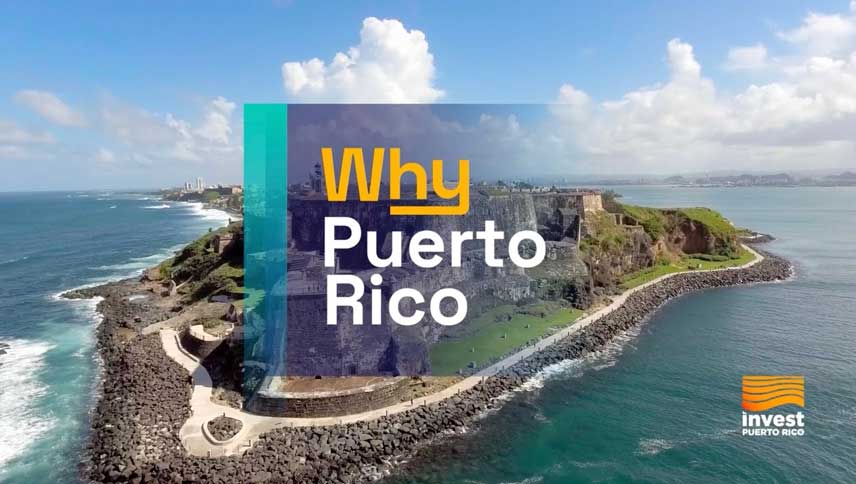
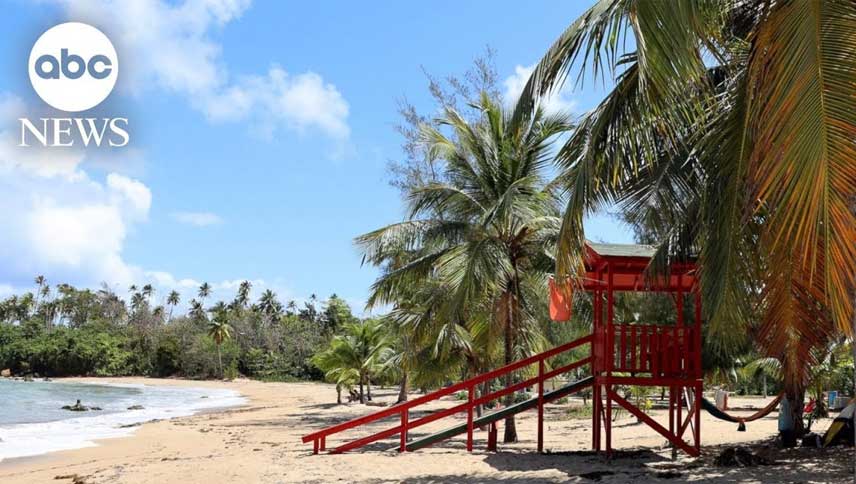
Voice Over: Puerto Rico is known as an island paradise with colorful buildings lining cobblestone streets, sun drenched beaches and lush tropical forests, but hidden in plain sight are signs of booming industry. And its effects on a crumbling infrastructure.
Reporter: Puerto Rico in many cases has become kind of an. Engine of, uh, manufacturing drugs that can go directly to the us.
Voice Over: In fact, in 2020, the US exported over $66 billion in pharmaceuticals, and Puerto Rico accounted for 19.3% of that according to the Bureau of Labor Statistics. But being the United States top producer of pharmaceuticals can come at a significant cost to the island, especially one of its most essential resources.
Ruth Santiago: That’s a huge pharmaceutical company. Eli Lilly was up here, I think they closed down. So this is helium. This used to be Pfizer and before that it was something else.
Voice Over: In the 1970s, American companies flocked to the island of Puerto Rico to take advantage of major tax incentives under IRS Code 9 3 6, which essentially allowed US companies in Puerto Rico to pay no federal taxes.
While multiple industries benefited, the pharmaceutical industry received about half the total tax benefits. According to a 1992 government report,
Ruth Santiago: the government of Puerto Rico incentivized in many ways. To establish their operations in Puerto Rico. It was part of this government development program called Operation Bootstrap.
It was also something that was supposed to create jobs.
Voice Over: Operation Bootstrap was a strategy to develop an industrialized Puerto Rico’s economy that began in the 1940s
Reporter: Puerto Rico. Since 1898 has been a colony of the United States and since then the US has kind of manipulated Puerto Rico’s economy to benefit the needs and the wants of the us.
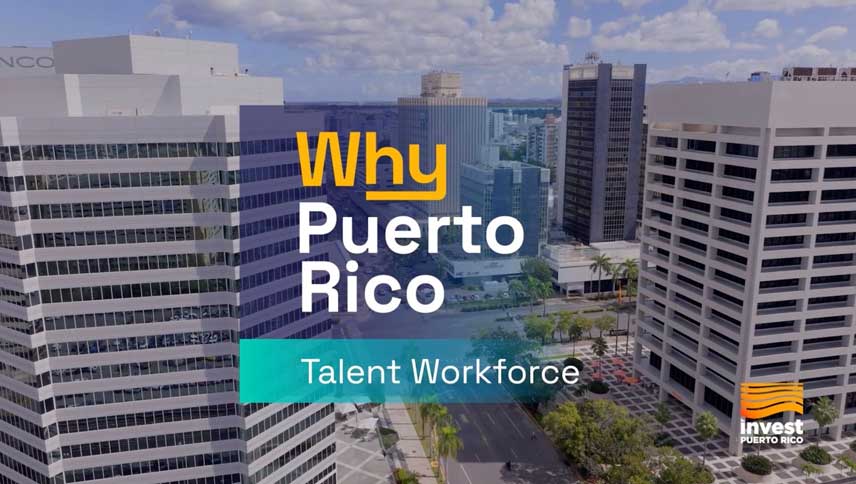
So that idea flourished into, uh, tax exemptions that were allowed by the US Congress, and we’re allowed for about 30 years, and we’re kind of in the middle of everything. If you look around, you’ll have a. Big pharmaceutical company over here, a gigantic complex of pharmaceutical companies over here, and this just continues.
The
Ruth Santiago: government created what they called industrial parks, which was these plant sites that were all together in a certain area. For example, here in Salinas, we have an industrial park in Guama About a decade ago. I was working, um, on a case related to a company called Teva Active Pharmaceuticals, also known as Tappi It after Tappi closed, which I believe was right around 2017.
Um, we found out that there was also pollution to the groundwater coming from, from this plant.
Voice Over: In April, 2020, TAPI was fined over $500,000 for alleged Clean Water Act and other environmental violations at its pharmaceutical manufacturing plant in Guama. In
Jose Rivera: the case of that facility, they were discharging, treated, processed wastewater through the synthetic collection system.
Into the POA wastewater treatment facilities. After we did that inspections and pursued the enforcement case, the company struggled to come into compliance and the end the ended deciding to shut operations.
Voice Over: When asked for comment, a representative for Teva Pharmaceuticals tap’s parent company, told a BC news that while Teva did not admit liability, the company has resolved all of the claims raised at the time.
And they’re not alone. Pharmaceutical companies, among other industries in Puerto Rico have a long documented history of environmental violations. The EPA is still overseeing cleanup efforts at the now closed Upjohn facility in Barcelona. After more than 15,000 gallons of toxic waste leaked from an underground storage tank into the ground in the eighties,
Reporter: this is one of the most contaminated, uh, places in Puerto Rico.
It’s, um, in the EPA Superfund sites priority list.
Voice Over: Though Pfizer acquired Upjohn in 2003, a representative told a B, C news. They are not the current owners of the Barceloneta site, and it continues to fully comply with its remediation responsibilities.
Reporter: I am guessing more than 90% of people will say pharma’s good Pharma provides good jobs.
You know, pharma got my teal or my uncle out of like, wherever their community was from. I have very close friends that have been able to kind of build their lives around pharma. So it has been an economic kind of, um, uh, opportunity for, for for many people.
I think in the majority of cases people are alarmed because they didn’t know about it. People are also kind of understand that this is part of the deal. Like, well, yeah. You know, there’s gonna be some, some impact. Environmental impact to having these jobs.
VJ: Hi everyone. George Stephanopolis here. Thanks for checking out the A BC News YouTube channel. If you’d like to get more videos, show highlights and watch live event coverage. Click on the right over here to subscribe to our channel. And don’t forget to download the A BC News app for breaking news alerts.
Thanks for watching.
Source: https://www.youtube.com/watch?v=lBXKfUKiEOQ